



























Last reviewed: August 2026
Storing Lithium Iron Phosphate Batteries
Many people use their LiFePO4 batteries seasonally, such as for camping in the summer, ice fishing in the winter, or powering an RV, boat or off-grid system. When the season ends, properly storing lithium batteries helps protect them from over-discharge and keeps them ready for use when you need them again.
So, how should you store LiFePO4 batteries?
For long-term storage, Canbat recommends storing LiFePO4 batteries at approximately 50% state of charge (SOC) in a dry location, preferably indoors. Disconnect the battery from loads that could slowly discharge it, and do not store a LiFePO4 battery in a fully discharged state.
LiFePO4 Battery Storage Temperature
As a general guideline, the longer a battery will be stored, the tighter the recommended temperature range becomes. Shorter storage periods tolerate a wider range of temperatures.
| Storage Period | Recommended Temperature |
|---|---|
| General recommendation (ideal) | -5°C to +35°C (23°F to 95°F) |
| Up to 1 month | -20°C to +60°C (-4°F to 140°F) |
| Up to 3 months | -10°C to +35°C (14°F to 95°F) |
| Extended storage | +15°C to +35°C (59°F to 95°F) |
For extended periods, it is best to store lithium batteries indoors in a dry, temperature-controlled environment.
If your LiFePO4 batteries remain in storage for an extended period, check the battery’s state of charge at least once every six months and recharge it to approximately 50% SOC if necessary.
Disconnect LiFePO4 Batteries Before Storage
Many RVs, boats and electrical systems have a main battery disconnect switch. However, switching the system off does not necessarily mean that every electrical load has been disconnected.
Devices such as carbon monoxide (CO) detectors, alarms, monitoring equipment, backlit stereos and other electronics may continue drawing a small amount of power even when the main switch is off. These are known as parasitic loads.
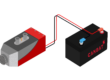
For long-term LiFePO4 battery storage, the recommended approach is to ensure that the battery is completely disconnected from loads. Where appropriate for your installation, physically disconnecting the battery cables can prevent equipment from slowly discharging the battery during storage.
LiFePO4 batteries have a very low self-discharge rate, which makes them particularly well suited to seasonal storage. However, even a small continuous external load can eventually discharge a battery if it remains connected for several months.
Unlike many lead-acid batteries, LiFePO4 batteries do not require a trickle charger during storage.
What State of Charge Should LiFePO4 Batteries Be Stored At?
Canbat recommends storing LiFePO4 batteries at approximately 50% SOC.
Do not put a completely discharged LiFePO4 battery into long-term storage. The battery will continue to experience a small amount of self-discharge, and connected equipment can increase the rate of discharge considerably.
If the battery will remain stored for many months, check its state of charge at least once every six months and recharge it to approximately 50% SOC if necessary.
This combination — partial charge, proper temperature and complete disconnection from parasitic loads — helps protect the battery during long periods of inactivity.
How to Store LiFePO4 Batteries With a Complete System
Sometimes removing the battery isn’t practical. For example, you may want to store an RV, boat, solar system or other equipment with the LiFePO4 battery, inverter and charger still installed.
In this situation, the most important consideration is preventing parasitic loads from slowly draining the battery.
Ensure the battery is properly isolated from unnecessary electrical loads during storage. A suitable battery monitoring or low-voltage disconnect device can provide additional protection in systems where equipment must remain connected.
The charger can normally remain disconnected during storage because LiFePO4 batteries do not require continuous trickle charging.
Before returning the system to service, inspect the battery and connections and check the battery’s state of charge. If necessary, recharge the battery using a compatible LiFePO4 charger before reconnecting normal loads.
How to Store LiFePO4 Batteries in Cold Weather
LiFePO4 batteries can tolerate cold storage, but for extended storage Canbat recommends keeping batteries indoors in a dry environment within the recommended storage temperature range.
It is important to distinguish between storing, discharging and charging a LiFePO4 battery in cold temperatures. These are not the same conditions.
A battery sitting unused in cold storage behaves differently from a battery being discharged to power equipment or being charged in freezing conditions.
This distinction is especially important in Canadian winters. If possible, move batteries from seasonal RVs, boats and other equipment to a suitable indoor storage location when they will not be used for an extended period.
Risk of Storing a Discharged LiFePO4 Battery
Storing a LiFePO4 battery with little or no charge can eventually result in over-discharge.
Although Canbat LiFePO4 batteries contain an integrated Battery Management System (BMS), a battery should not be intentionally left discharged for long-term storage.
Parasitic loads make this especially important. A device drawing only a small amount of current may appear insignificant, but over several weeks or months it can substantially reduce the battery’s state of charge. Before long-term storage, make sure the battery is partially charged, disconnected from unnecessary loads and stored within the recommended temperature range. See the storage checklist below for the complete steps.
LiFePO4 Battery Performance in Cold Weather
Cold weather can temporarily reduce the usable capacity of a LiFePO4 battery.
For example, a 12V 100Ah LiFePO4 battery may deliver less than its full rated capacity at freezing or sub-zero temperatures. This reduction is temporary; normal available capacity returns as the battery warms.
Charging requires greater attention.
Standard LiFePO4 cells should not be charged below their permitted charging temperature. Charging lithium cells at excessively low temperatures can damage them, which is why Canbat LiFePO4 batteries incorporate a Battery Management System that monitors operating conditions and provides protection against conditions such as:
- Low-temperature charging
- High-temperature operation
- Overcharging
- Over-discharging
- Over-current
- Short circuits
Always follow the temperature limits specified on the datasheet for your particular battery model.
Cold-Weather LiFePO4 Batteries
For applications where batteries must operate and charge in freezing conditions, Canbat offers low-temperature (LT) LiFePO4 batteries designed for cold climates.
Canbat LT batteries incorporate an internal heating system. When charging is attempted below the normal charging-temperature threshold, the heating system can use incoming charger power to warm the cells before charging begins. No separate external heater is required.
The system operates automatically, allowing the battery to manage cold-weather charging while its internal BMS monitors battery conditions.
This makes low-temperature LiFePO4 batteries particularly useful for applications such as RVs, marine systems, off-grid power and other equipment that must remain operational during Canadian winters.
When selecting a battery for cold-weather operation, remember that cold-weather use and cold-weather storage are different considerations. If a battery will simply sit unused for several months, proper indoor storage is preferable whenever practical. If it must continue operating and charging below freezing, a low-temperature battery may be the better solution.
LiFePO4 Battery Storage Checklist
Before leaving your LiFePO4 battery in storage for the off-season:
- Bring the battery to approximately 50% state of charge.
- Disconnect it from parasitic electrical loads.
- Store it in a dry location.
- Keep it within the recommended storage temperature range.
- Do not leave the battery completely discharged.
- Check the battery periodically during long-term storage.
- Check the battery’s state of charge at least once every six months and recharge it to approximately 50% SOC if necessary.
- Follow the specifications in the battery’s user manual or datasheet.
Proper LiFePO4 battery storage is relatively simple. Unlike conventional lead-acid batteries, lithium iron phosphate batteries have a low self-discharge rate and do not require continuous trickle charging during storage.
The key is to store the battery partially charged, disconnect unnecessary loads and avoid unsuitable storage temperatures.
If you have questions about how to store a Canbat LiFePO4 battery, contact the Canbat technical support team. We can also help determine the correct charging, storage and operating requirements for your specific battery and application.




Thanks for my recent battery purchase. I have a history with batteries as I am a long-term r/c enthusiast. The feedback and recommendations I received from the interactive support system were helpful and correct. Every aspect of this transaction was well done.
Great support tonight from the Canbat team. They referred me to this article for further information and I found it very useful.